
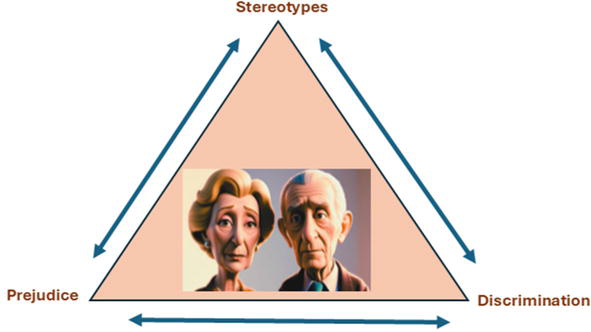
According to the WHO, ageism refers to the stereotypes (how we think), prejudice (how we feel) and discrimination (how we act) towards others or oneself based on age.
Ageism is gaining recognition for the detrimental impact it has on people young and old, and the UN has launched a global report on ageism.
In Australia, the Benevolent Society’s Every AGE Counts advocacy campaign recognises that ageism is not benign or harmless, because it impacts confidence, quality of life, job prospects, health and control over life decisions.
Ageism has serious and wide-ranging consequences for people’s health and wellbeing. Among older people, ageism is associated with poorer physical and mental health, increased social isolation and loneliness, greater financial insecurity, decreased quality of life and premature death.
It is impossible to address elder abuse without addressing ageism. EAAA encourages you to visit the Every AGE Counts campaign website to take the ‘Am I ageist’ quiz
Ageism in the workplace on the rise
A new report from the Australian Human Rights Commission and the Australian Human Resources Institute reveals a troubling trend: nearly one in four HR professionals now consider workers aged just 51 to 55 as ‘older.’ Media coverage from outlets like SBS and the ABC confirms what many older workers already know: ageism in hiring and the workplace is growing.
 Subscribe to our newsletters for the latest news and updates

You will receive a confirmation mail, check your spam folder if it does not arrive in your inbox.