
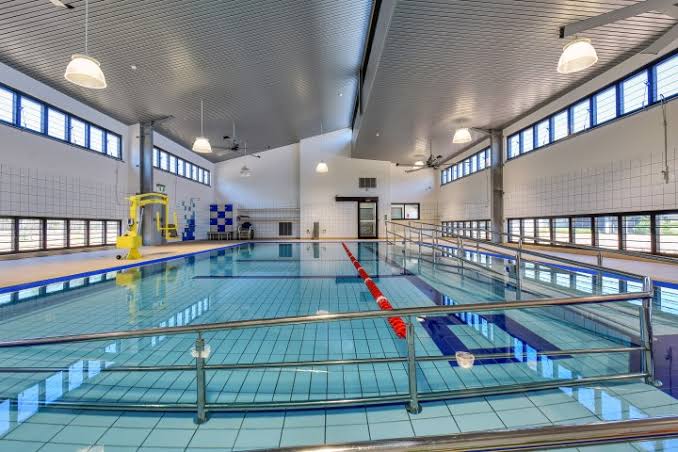
A physiotherapist (PT) helps people with movement and function issues from injury, illness, disability, or aging, by assessing, diagnosing, and treating conditions through exercise, manual therapy, and education to improve mobility, reduce pain, and restore independence. They work with all ages, in various settings like hospitals and sports clubs, using evidence-based techniques to manage musculoskeletal, neurological, and cardiorespiratory conditions, focusing on prevention, rehabilitation, and long-term wellness.
World Health Organisation defines elder abuse as
“A single or repeated act, or lack of appropriate action, occurring within any relationship where there is an expectation of trust, which causes harm or distress to an older person.”
Core Roles & Responsibilities:
Assessment & Diagnosis: Evaluating physical limitations, diagnosing movement disorders, and identifying underlying causes.
Treatment & Rehabilitation: Developing personalized plans using therapeutic exercise, massage, joint mobilization, and other physical modalities (like heat/cold therapy).
Prevention: Educating patients on posture, body mechanics, and injury prevention to maintain health.
Pain & Stiffness Management: Reducing pain and improving range of motion in joints and muscles.
Functional Improvement: Helping patients regain skills for daily living, work, or sports.
Education & Self-Management: Teaching patients exercises and lifestyle changes for ongoing recovery.
It’s hard to work out for certain why people abuse or mistreat older people, because very few people admit to doing so. But listening to older people who have experienced abuse and looking at the context in which the abuse occurred has helped to identify some common factors among those who cause harm.
Conditions Treated:
- Musculoskeletal: Back pain, sports injuries, arthritis.
- Neurological: Stroke, Parkinson’s disease, Multiple Sclerosis.
- Cardiorespiratory: COPD, post-heart attack recovery.
- Other: Post-surgery recovery, balance issues, incontinence.
Ageism harms older people. It causes distress, unhappiness, loss of dignity and respect, and loneliness. It contributes to age discrimination and abuse and mistreatment of older people. Overall, it diminishes the value that they bring to the community.
Key Skills & Approaches:
Expertise in Movement: Deep understanding of human anatomy, physiology, and biomechanics.
Clinical Reasoning: Applying scientific knowledge to complex patient cases.
Collaboration: Working with doctors and other health professionals for holistic care.
It is important to realise that a healthcare professional can be the perpetrator senior abuse either knowingly or in ignorance. This can include ageism, denial of services, not listening to the senior or simply rubberstamping the process.
Modalities: Manual therapy, therapeutic exercise, electrotherapy, taping/bracing.
Rubberstamping Physiotherapy is not good enough
NT Allied Health have adopted rubberstamp phytotherapy and feedback to your doctor or specialist appears to be out of scope by that organisation. NT Allied Health Physiotherapy base treatment referrals on six-week hydrotherapy session regardless of the patient outcome – this is abuse of the public hydrotherapy pool asset and senior abuse.
Compare hydrotherapy sessions NT Health with NSW Health
NT Health hydrotherapy sessions are limited to 6 weeks post procedure, two sessions per week, however if you have a specialist appointment that conflicts with a hydrotherapy session, then you lose those sessions. Hydrotherapy is not patient centric in the NT Health system.
Compared with New South Wales, you are entitled to 8 weeks and 2 sessions per week to assist with recovery 4 weeks guided by a qualified physiotherapist, if you require additional sessions then you can get an additional 4 weeks of 2 sessions per week that is semi-supervised by an Allied Health Assistant. NSW is patient outcome centric.
NT Health fails patients with a strict time frame and you’re out policy, doesn’t follow best practice for physiotherapy. Patients often left in pain or reduced mobility and far longer recovery.
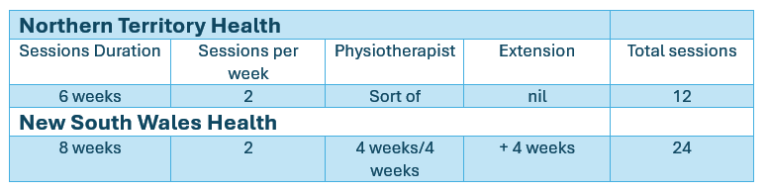
Up to 12 weeks to aid with best recovery in New South Wales.
Only 6 weeks minus 2 to 4 sessions due to specialist appointments in the Northern Territory.
Patients are better off with best recovery chances in New South Wales than Territorians.
 Subscribe to our newsletters for the latest news and updates

You will receive a confirmation mail, check your spam folder if it does not arrive in your inbox.