
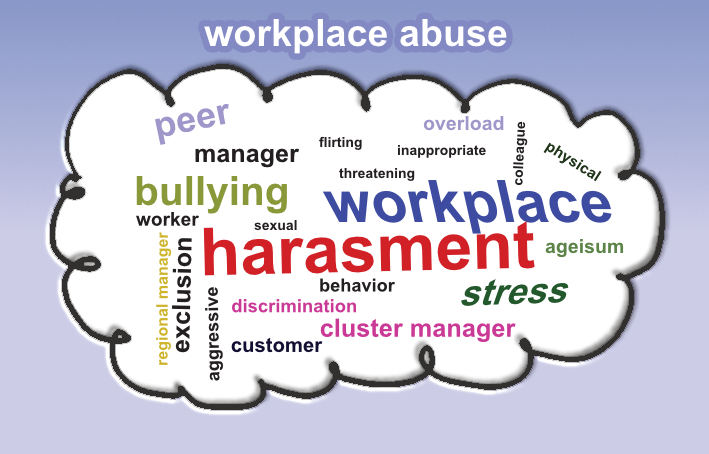
Workplace abuse is repeated, unreasonable behaviour that creates a health and safety risk, encompassing bullying (verbal, physical, psychological), harassment (including sexual), and violence, involving actions like humiliation, exclusion, threats, unfair criticism, or physical harm from anyone, including managers, coworkers, or clients, and it’s illegal, with resources available from bodies like Fair Work Ombudsman and Safe Work Australia for support and reporting.
Introduction
The following is case notes during an interview with an individual [name withheld] that suffered workplace abuse and ending their employment. The business is a national retail chain with stores in the Northern Territory where the alleged abusive behaviours occurred.
Location: Palmerston, Northern Territory
Acts of workplace abuse\bullying and older persons abuse
- Rostering – Store Managers responsibility – Cluster\Area Manager changing shifts without knowledge of Store Manager. Short notice changes.
- Cluster\Area Manager forcing only two team members (including Store Manager) on a shift, causing a security risk during lunch breaks or processing inwards goods. 10 minute breaks entitlements impossible.
- Excessive and unrealistic daily tasks by cluster\area manager with deliberate minimum team members rostered.
- Cluster\area manager stopping merchandising areas of responsibilities, making merchandising of neglected areas fail, theft and inventory control.
- Cluster/Area Manager overriding Store Manager with significant overstocked items – impacts Store Manager KPI’s and bonuses.
- Allowing non-management staff to order excessive inventory without store managers knowledge.
- Cluster/Area manager forcing older store manager with lifting restrictions to handle inwards goods and deny sales opportunities.
- Not allowing Store manager to leave on advice of Doctor during illness.
- Cluster/Area Manager publicly intimidating Store Manage including shouting and extreme negative body language.
- Cluster/area manager presenting intimidating body language to customers and team members.
- Back of store overstocked, heavy items was a health and safety issue.
- Cluster/Area Manager forcing excessive and frequent relocations within the store and negatively impacting sales.
- Cluster/Area Manager using intimidating and undermining language to Store Manager and Team members.
- Cluster/Area Manager fostering a stressful workplace, domination, overriding Store Managers contracted responsibilities, aggressive, mumbling commands, using wrong terminology/completely wrong words, created conflicts, emotional abuse, negativity, rudeness, non-motivational, no respect of team members, fraudulent actions to make KPI’s look good.
- Cluster manager giving administrator security access to store security camera recordings to non-management team member.
- Cluster manager allowing their adult child to take over store managers desk\work area.
- Cluster/Area Manager making fault accusations about employees, including deleting negative customer feedback about team members under performance reviews.
- Denying company issued seating for older team members\store manager.
- Undermining company executives by Cluster/Area Manager.
- Cluster/Area Manager taking credit for Store Manager and Team achievements.
- Making obstacles to restrict access to retail union visits.
- Cluster/Area manager allowing unauthorised persons to access back of store.
- Cluster/Area Manager misleading Human Resources Department.
- Cluster/Area Manager broadcasting inappropriate emails across network designed to humiliate\intimidate teams.
- Cluster/Area manager refusing to pay for hours worked and deleting rostered entries – fraud.
EAAA Stand up and Speak Out Conference 2026
Synopsis
Victims of workplace abuse often experience a range of profound emotional, physical, and psychological distress, frequently described as feeling trapped, hopeless, and deeply betrayed. Because this abuse is often covert and persistent, it can cause victims to experience “ambiguous loss,” where their professional life and confidence are destroyed without a clear, immediate resolution.
Key Emotional and Psychological Feelings
- Anxiety and Fear: Victims often live in constant fear of the bully, experiencing panic attacks, high stress levels, and “walking on eggshells”.
- Shame, Guilt, and Self-Blame: Many victims feel embarrassed or believe they deserved the abuse, often blaming themselves for not handling the situation better.
- Powerlessness and Helplessness: A deep sense of having no control over the situation, leaving the victim feeling frozen, confused, or paralyzed.
- Loss of Confidence and Self-Worth: Continuous, unjust criticism erodes self-esteem, making victims doubt their abilities, intelligence, and sanity.
- Isolation and Loneliness: Victims often feel ostracized by colleagues, excluded from social events, and unsupported by management, leading to profound isolation.
- Dread: A persistent, overwhelming feeling of anxiety about going to work, sometimes described as a “pit in the stomach”.
Long-Term Psychological and Mental Health Impacts
- Depression and Anxiety Disorders: Persistent workplace bullying is a strong predictor of depression, leading to sadness, loss of enjoyment, and hopelessness.
- Post-Traumatic Stress Disorder (PTSD): Many victims develop PTSD symptoms, including nightmares, flashbacks, and constant hypervigilance (being on guard).
- Suicidal Thoughts: In extreme cases, the intense emotional pain and hopelessness can lead to suicidal ideation.
Physical Health and Behavioral Reactions
- Chronic Stress Reactions: Headaches, gastrointestinal issues (e.g., stomach pain, ulcers), and cardiovascular problems.
- Sleep Disturbances: Insomnia or nightmares are common, with victims unable to detach from the stress.
- Hyperarousal: Easily startled, agitated, and constantly feeling on edge.
- Disengagement: Avoiding work, reduced motivation, or disengaging from previously enjoyed activities.
The Feeling of “Betrayal Trauma”
Victims often report feeling betrayed by their organization, especially when they report the abuse and are ignored, or when they are retaliated against. This institutional complicity leaves them feeling that they have lost their “world” and their sense of safety.
Fair Work Commission
We are Australia’s workplace relations tribunal and registered organisations regulator. We make awards, approve enterprise agreements and help resolve issues at work.
 Subscribe to our newsletters for the latest news and updates

You will receive a confirmation mail, check your spam folder if it does not arrive in your inbox.